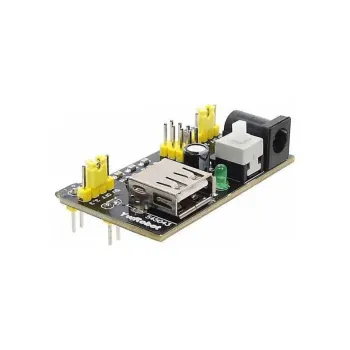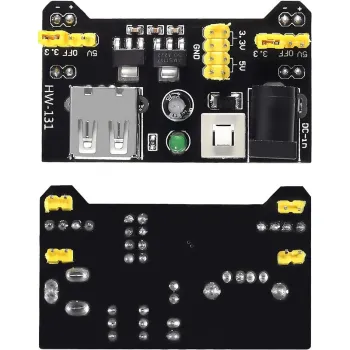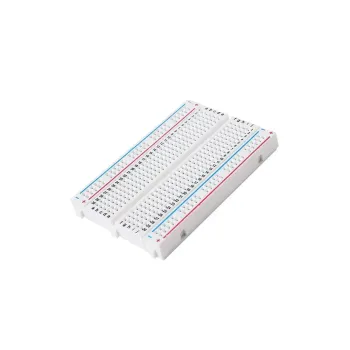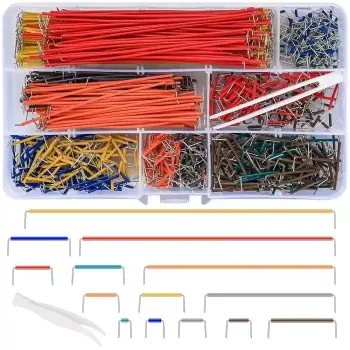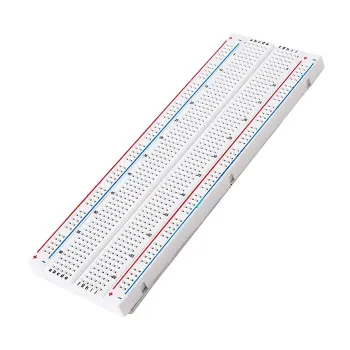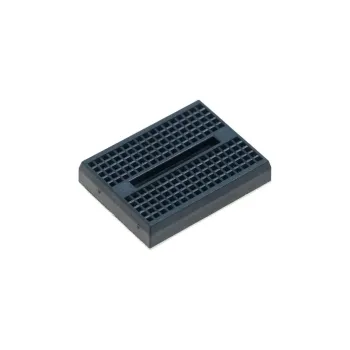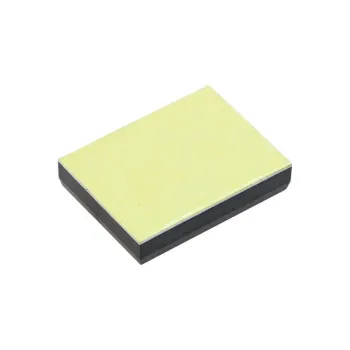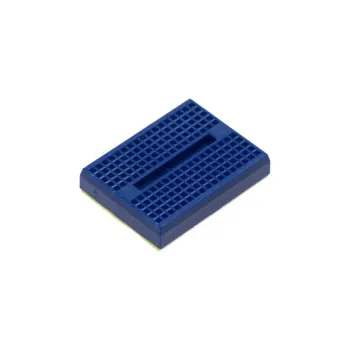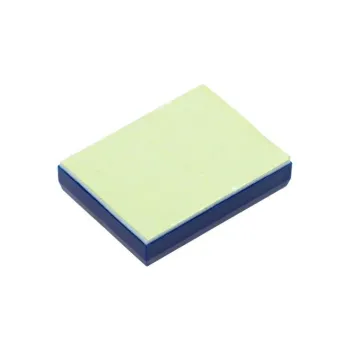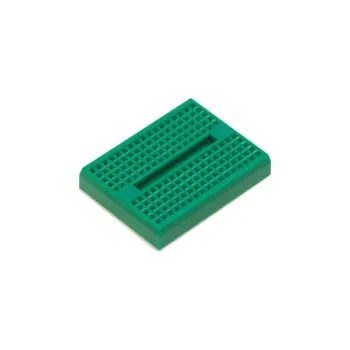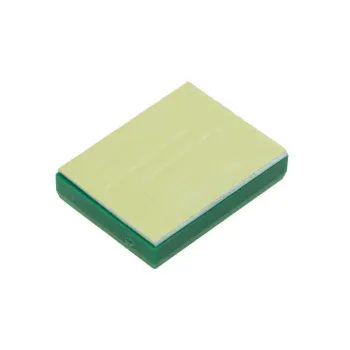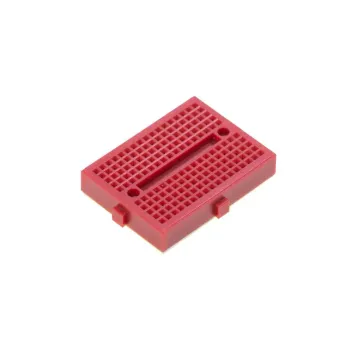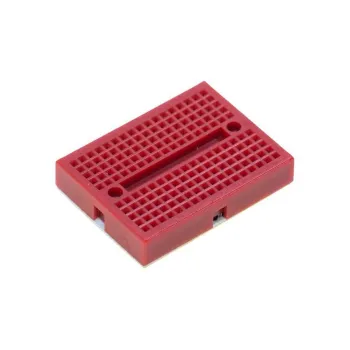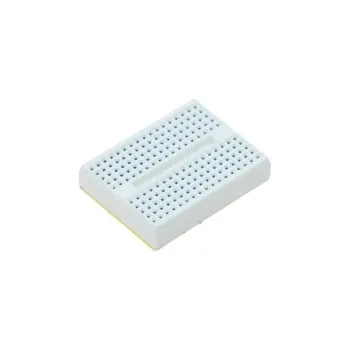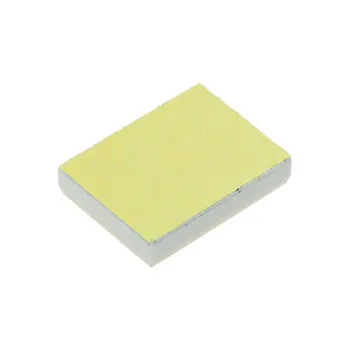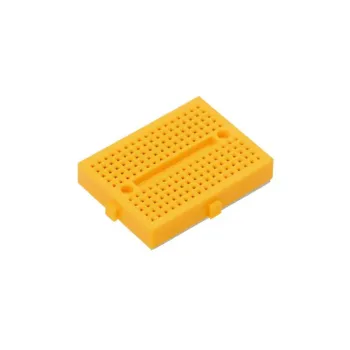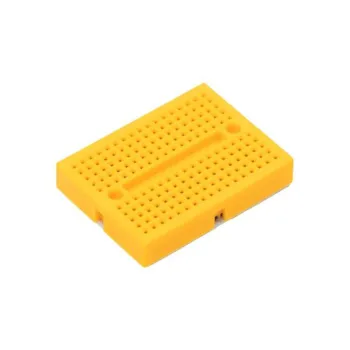


Explore breadboards for electronic prototyping, circuit testing, Arduino projects and educational applications. Solderless breadboards allow electronic components and jumper wires to be connected temporarily, making it easy to build, modify and test circuits without soldering.
Choose the appropriate breadboard according to the number of tie points, physical dimensions, power rails and project requirements. Breadboards are commonly used with resistors, LEDs, sensors, integrated circuits, development boards and other electronic components during prototyping.
How to Choose a Breadboard
When selecting a breadboard, consider the number of connection points, board size, power rail configuration and the complexity of the circuit. Larger breadboards provide more space for integrated circuits and multiple circuit sections, while compact models are suitable for simple experiments and portable projects.
Solderless breadboards are widely used for circuit prototyping, electronics education, Arduino projects, testing components and developing temporary circuits. They are especially useful when a circuit needs to be changed or tested repeatedly before creating a permanent PCB.