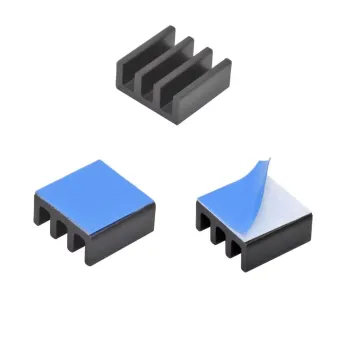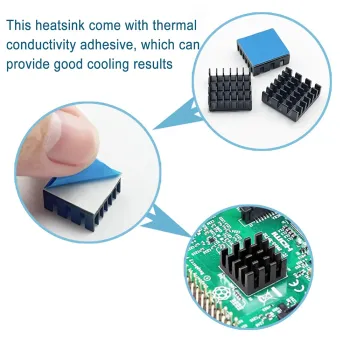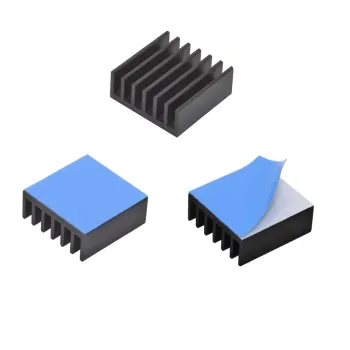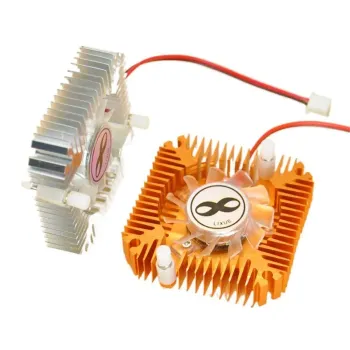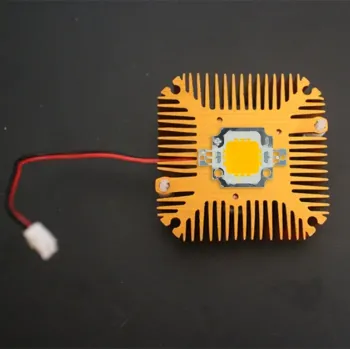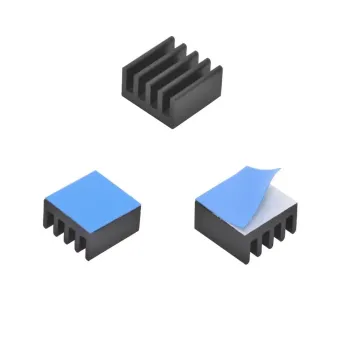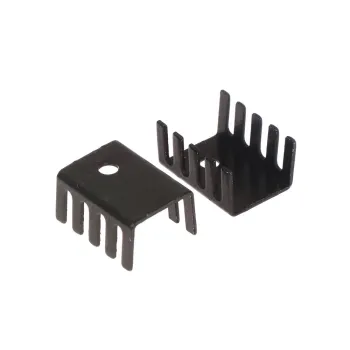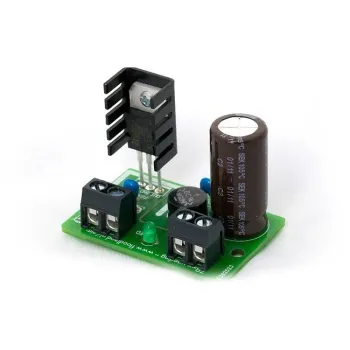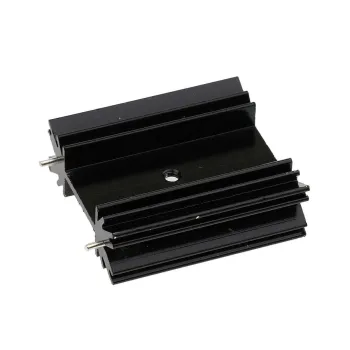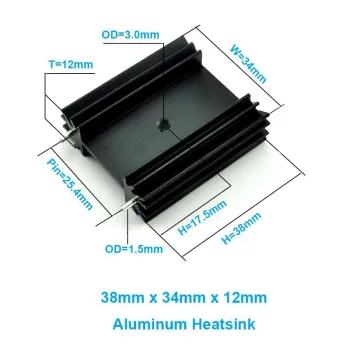


Explore heatsinks for electronic components designed to improve heat dissipation in power electronics, voltage regulators, transistors, integrated circuits and other heat-generating devices. A heatsink transfers excess thermal energy away from the component, helping maintain a safer operating temperature.
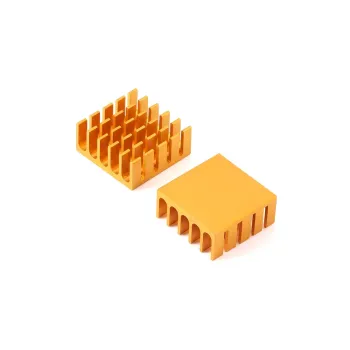
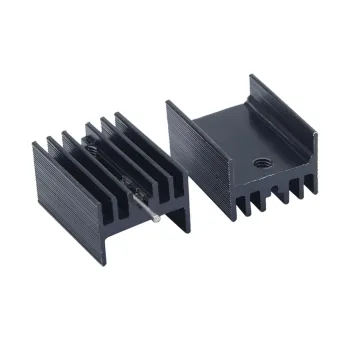
Choose the appropriate heatsink according to its dimensions, material, mounting method, thermal requirements and compatibility with the component package. Aluminum heatsinks are commonly used in power supplies, amplifiers, LED circuits, motor controllers and electronic repair applications.
How to Choose a Heatsink
When selecting a heatsink, consider the amount of heat generated by the component, available mounting space, package type and required thermal performance. The surface area and construction of the heatsink directly influence its ability to transfer heat to the surrounding air.
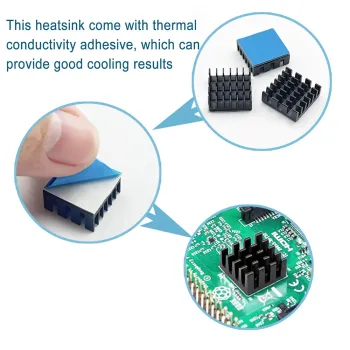
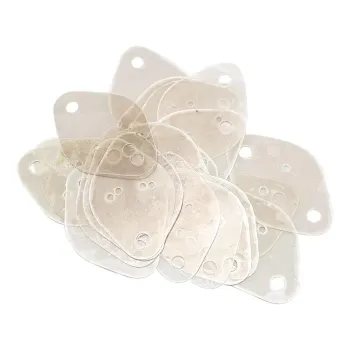
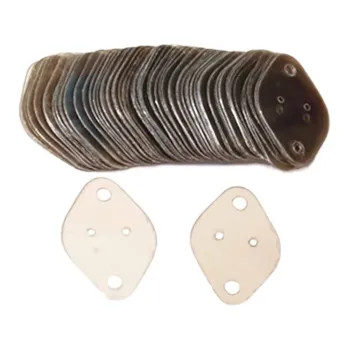
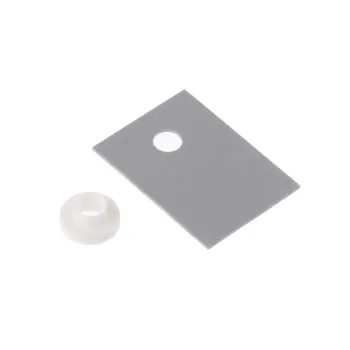
Heatsinks are commonly used with power transistors, voltage regulators, power integrated circuits, LEDs and other semiconductor components. Depending on the application, thermal paste, thermal pads or electrical insulation may also be required between the component and the heatsink.